Manav Garima
Foundation
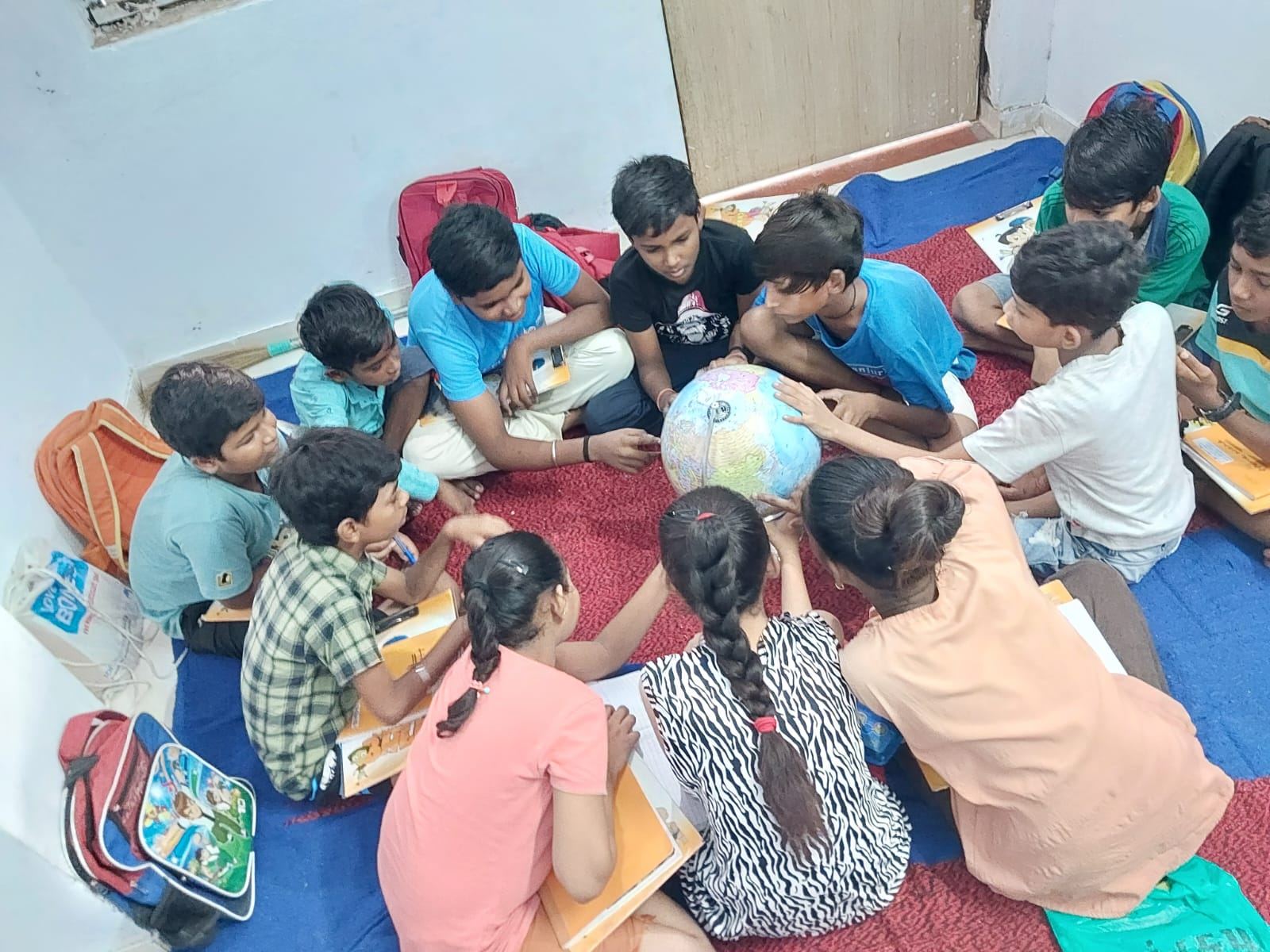
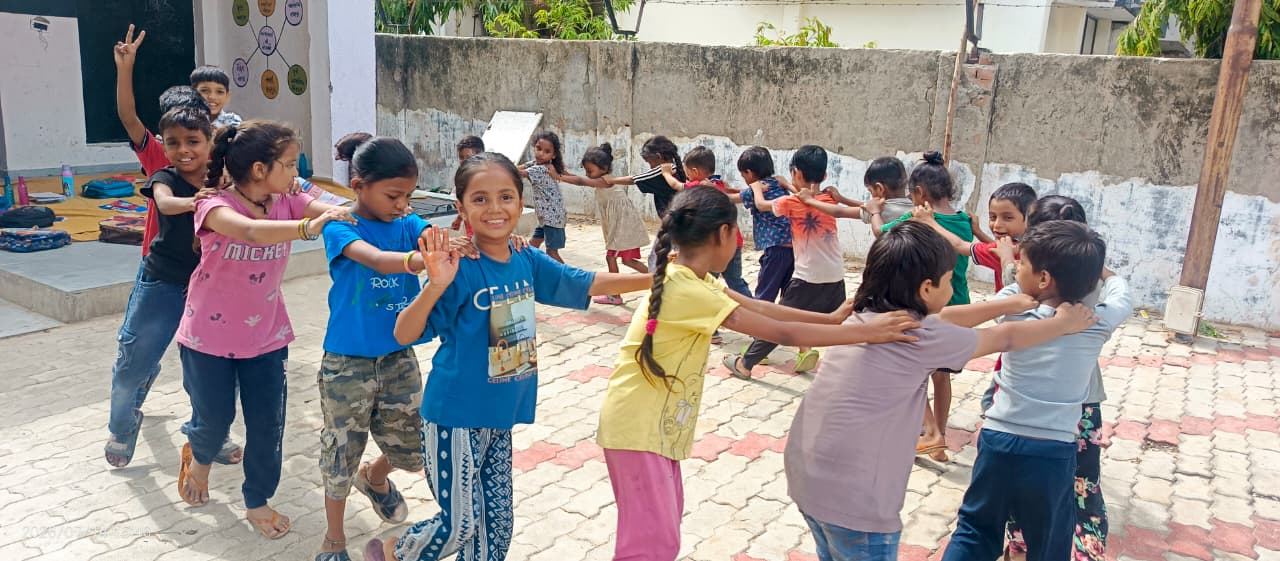
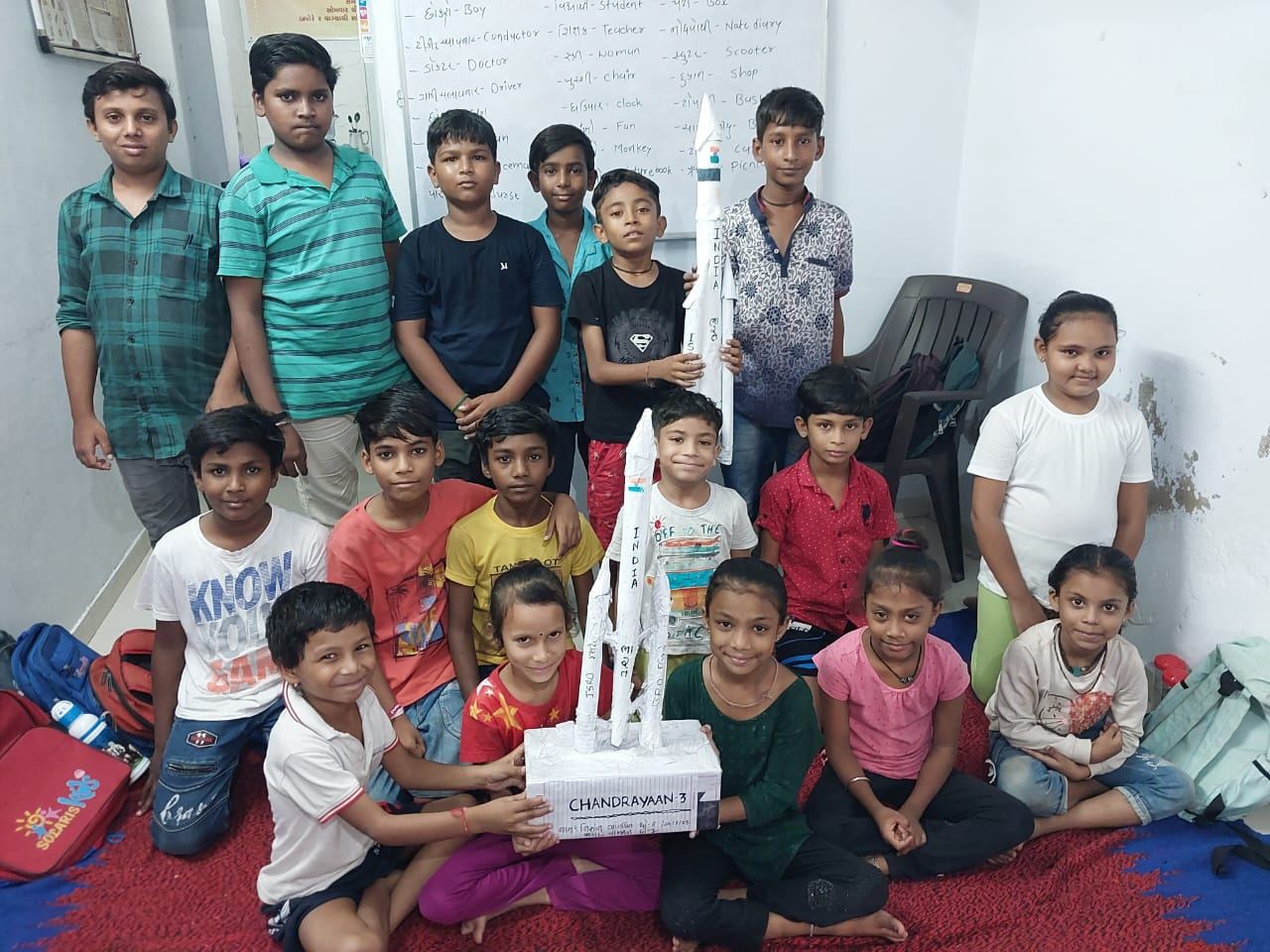
Children around a globe at a community education centreChildren playing a game outside an education centreChildren holding a model rocket they made

Education

Our survey of 5265 households of Valmiki community found that 13 % of children are dropped out from mainstream schools in age group of 6 to 14 years, 49 % of children never attended or completed 10th grade and only 4 % young person have reached at graduation. There is lack of culture of education among Valmiki community and parents are not able to provide extra coaching to their children at home or outside due to illiteracy and poverty. Learning level and quality of education among children of Valmiki community is very poor. Thus, foundational literacy, numeracy and science remain very poor resulting in early drop outs from primary schools and most of the students never qualify in 10th board exam. In absence of alternate livelihood options and easy availability of cleaning work in unorganized sector, youth end up in caste-based and traditional occupation of manual scavenging, unsafe cleaning work. Valmiki community never comes out of this cycle and always remains at last in all indicators of human development and human well-being.

Over the period, we have realized that to break this cycle, strong foundational numeracy, literacy and science among children at early ages is much needed.

Vision of Education program is to strengthen foundational learning among children of Valmiki community so that they continue their mainstream education for overall development and growth.

To achieve our vision, we run community-based education centres within the localities for children studying in grade 1 to 5. These centres strengthen foundational skills of literacy, numeracy, science through activity-based learning. Our centres provide 2 hours extra coaching daily. Pre-test and post-test are carried out to assess learning outcomes. We have developed & compiled activity-based teaching learning material – TLMs.

Since inception of the initiative, 4,324 children enrolled in schools and 4,560 children studied in our community education centres.

Currently, we run 9 Education Support Centres for children studying in grade 1 to 5 in Ahmedabad city, Khambhat, Petlad & Sojitra towns of Anand district. 160 children are enrolled and regularly attend in these centres in academic year 2026-27.

Annual cost of per child is Rs. 5,500/-
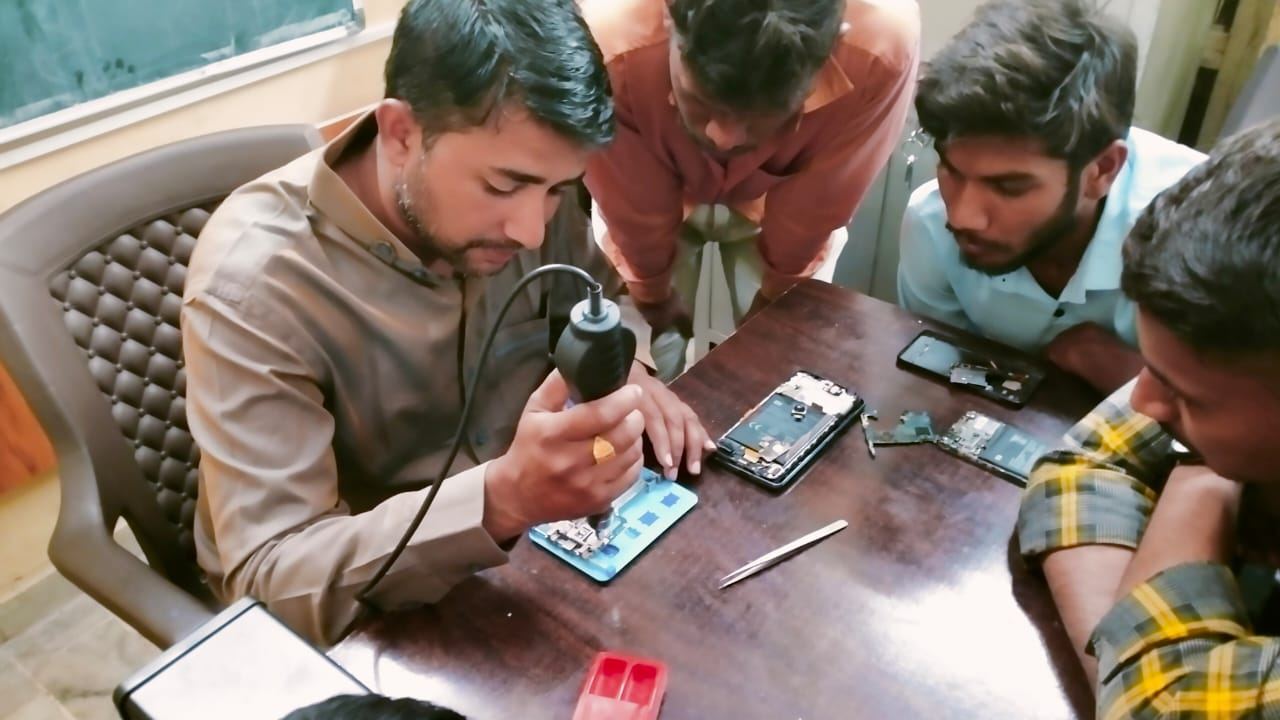
Young men learning mobile phone repairA food-making training sessionYoung women holding training certificates

Livelihood

Entering septic tanks and sewer to clean, removing human excreta from open defecation sites and insanitary latrines, removing dead animals, unclean cleaning work have still remained caste-based occupation across India and Valmiki community among Dalits is traditionally engaged in this unclean occupation. Both general public and Valmiki community has internalised that cleaning work is only for Valmiki community. Our survey of 5265 households of Valmiki community found that only 4 % are employed in self-employment and rest are in unclean or cleaning related occupation.

Our vision of this program is that youth from Valmiki community enter in alternative occupation instead of traditional cleaning work and breaks caste system both internally and externally and adopts dignified livelihood for growth and wellbeing.

Since inception of this intervention, 4,718 youth shifted to alternative livelihoods and 204 youth enrolled in professional courses.

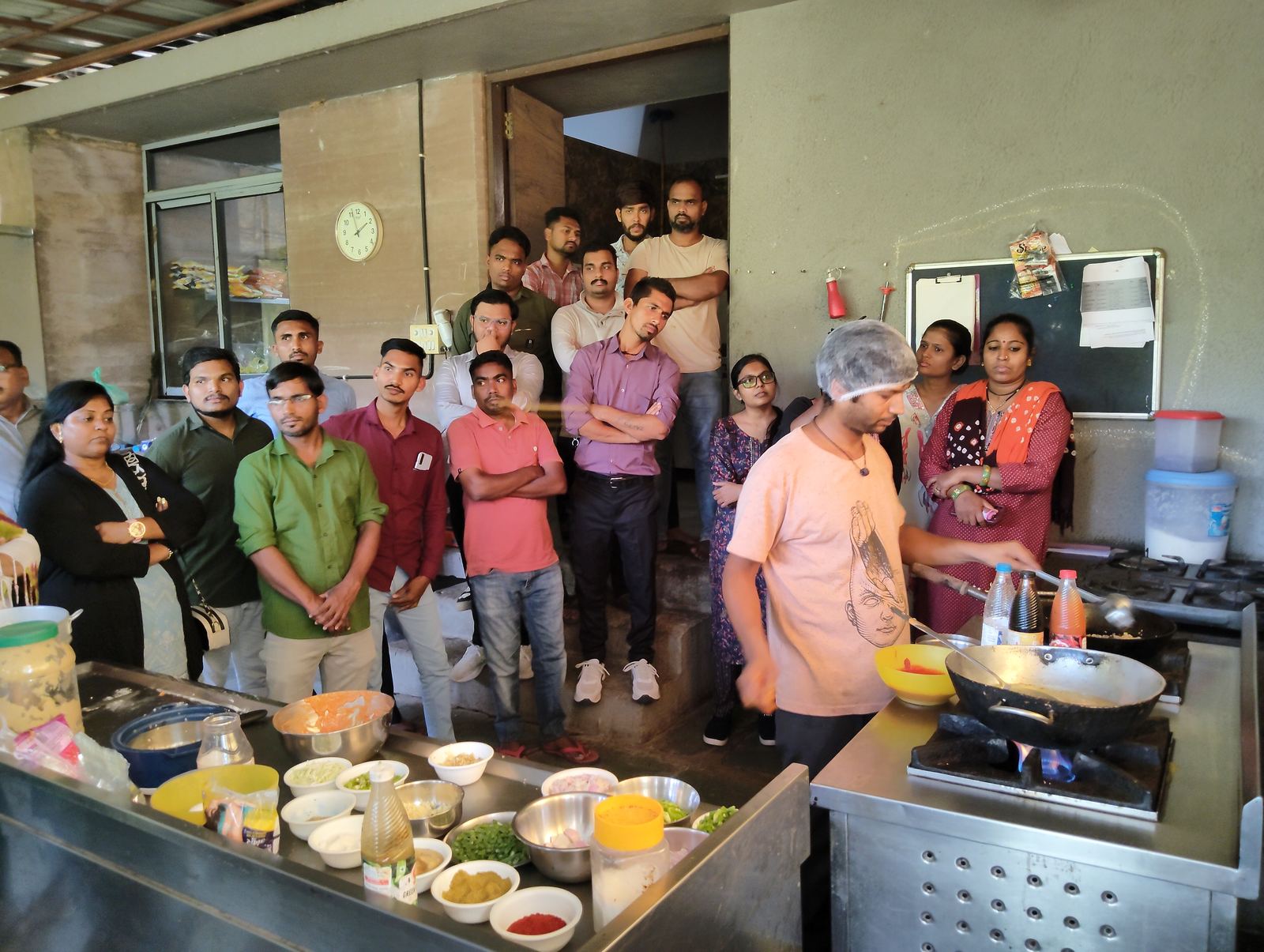
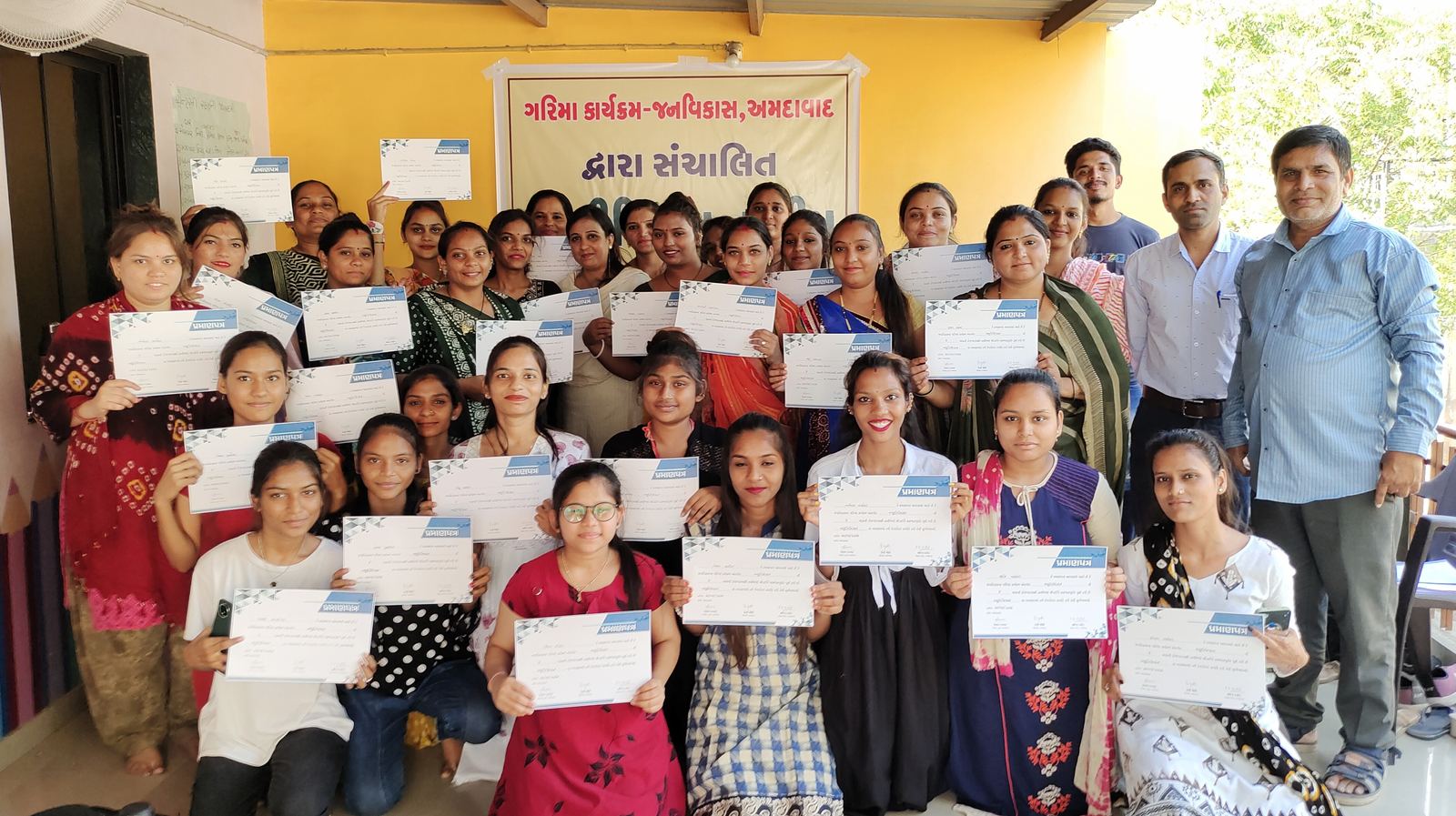
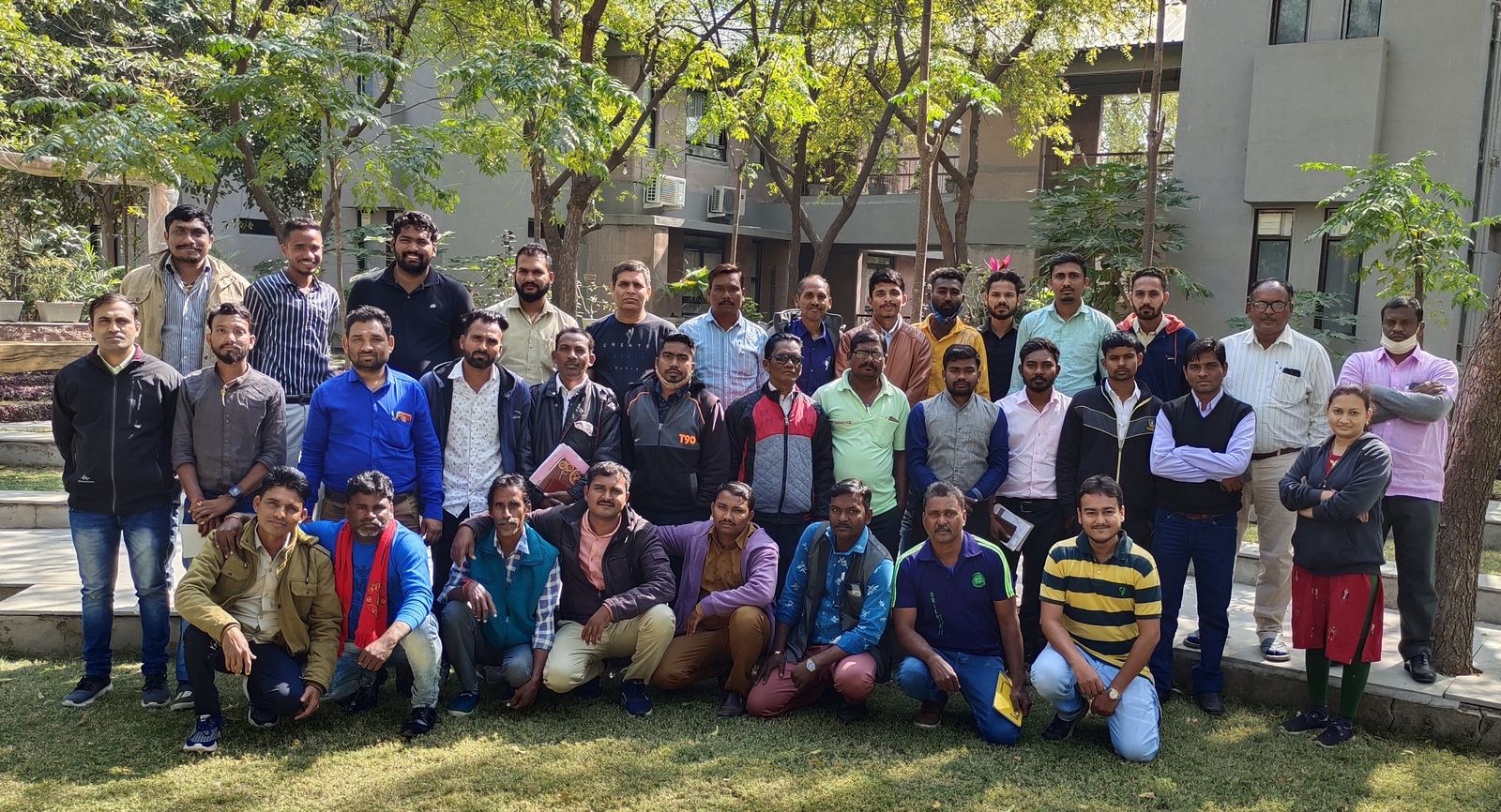
In last 3 years, we have trained 263 youth of Valmiki community in four-wheeler driving, beautician, mobile repairing and food making trades. Financial and handholding support provided to set up self-employment enterprise to interested youth after successful completion of technical trainings. 47 youth have sustained their employment in trained trades and earning Rs. 20,000 to 50,000 per month. Remaining most of trained youth are in other wage and self-employment.

Currently, our livelihood interventions are:

  • Training 100 youth both women and men in self-employment, provide one-time financial support of Rs. 10,000/- and handholding support to set up micro enterprise.
  • Organize career guidance residential workshop with students of grade 10th, 11th 12th.
  • Organize special classes for youth in English speaking and computer learning to develop skills for further education and employment.

Cost of self-employment including financial support for one youth is Rs. 15,000/-

Cost of one career guidance workshop for 50 students is Rs. 1,00,000/-

Cost of special classes per youth is Rs. 2,000/-

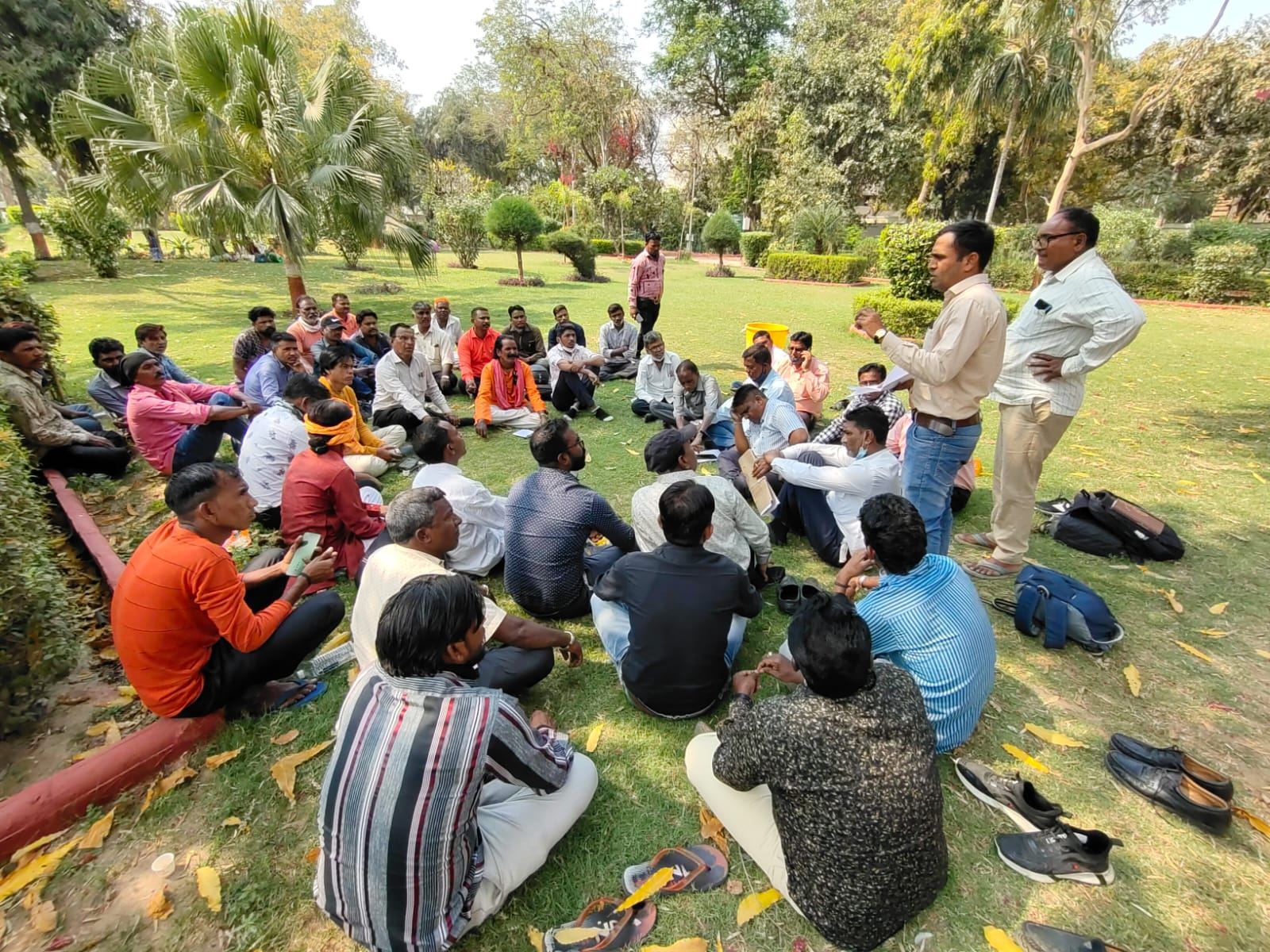
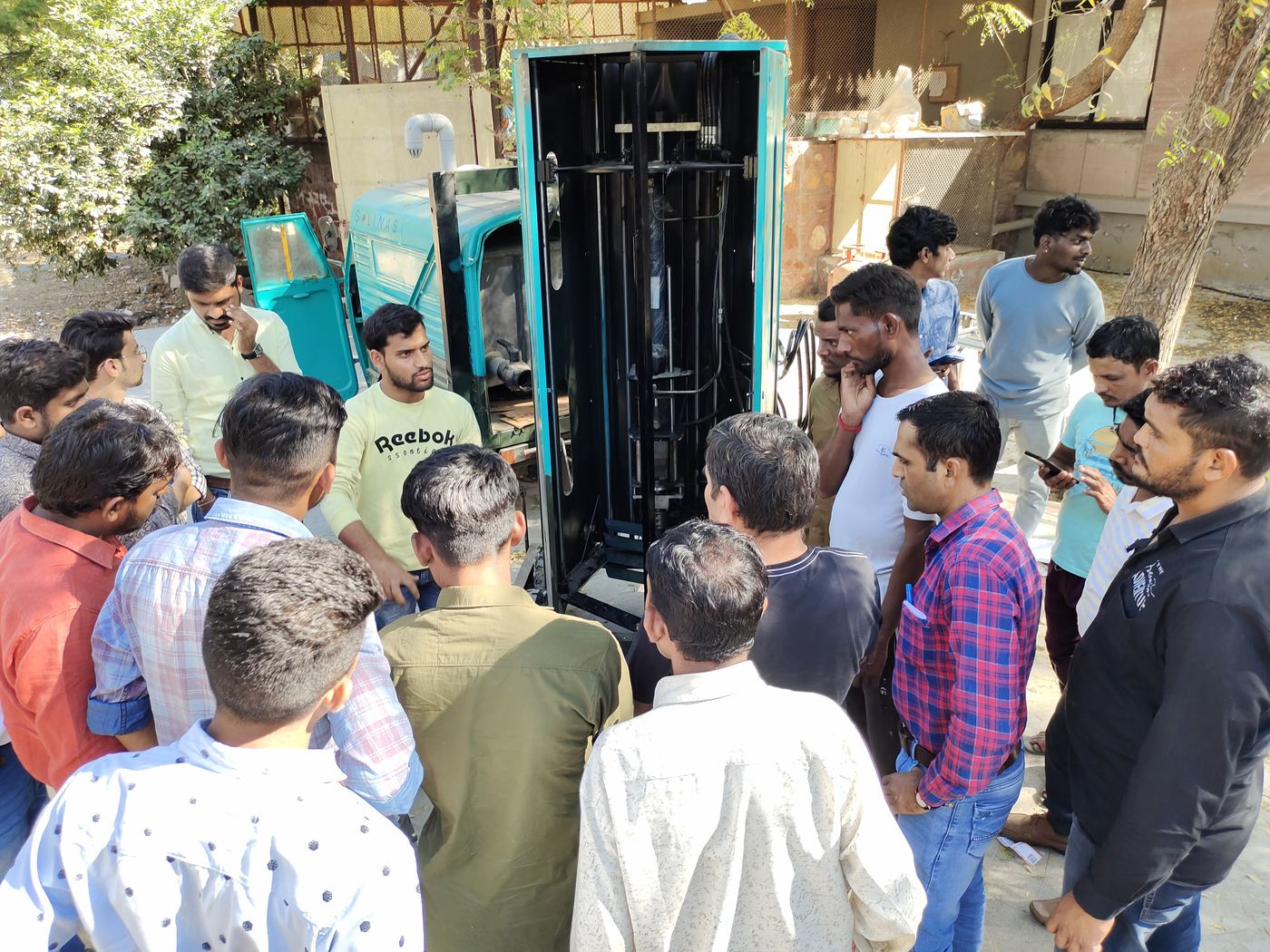
A robotic machine cleaning a sewer manholeWorkers in helmets with a sewer-cleaning machineSanitation workers at a meeting in a park

Eradication of Manual Scavenging

The Prohibition of Employment as Manual Scavengers and their Rehabilitation Act – 2013 (MS Act) prohibits any form of manual scavenging – removing, handling, carrying, entering septic tanks/sewer lines. Despite the Act, manual scavenging in different forms continue and Valmiki community is forced in practicing manual scavenging. In absence of proper technology, sanitation workers mostly belonging to Valmiki community are employed to enter drainage and septic tanks to clean it. The provisions of the 2013 Act are not effectively implemented. As a result, sanitation workers continue to die due to poisonous gases when asked to enter in septic tanks & sewer by government and private employers. 264 sanitation workers have died while cleaning septic tanks and sewer in Gujarat state since 1993. Despite MS Act, 124 sanitation workers died alone in Gujarat since 2013.

Our vision is eradication of any forms of manual scavenging practices, prevention of deaths of sanitation workers and fully mechanised cleaning of septic tanks and sewers.

Our objectives of this program are as follows:

  • Adoption of proven and effective technological solutions for cleaning of septic tanks and sewer.
  • Effective implementation of The Prohibition of Employment as Manual Scavengers and their Rehabilitation Act- 2013.
  • Prevention of deaths of sanitation workers in septic tanks and sewer.
  • Hazardous cleaning is carried out by trained professionals with adequate personal protective equipment and following due protocols.
  • Adequate sanitation facilities (individual/public toilets, sufficient water supply, drainage connection) to all citizens to stop open defecation leading manual cleaning of human excreta by sanitation workers.
  • Violators are held accountable as per MS Act.

Our key strategies are as follows;

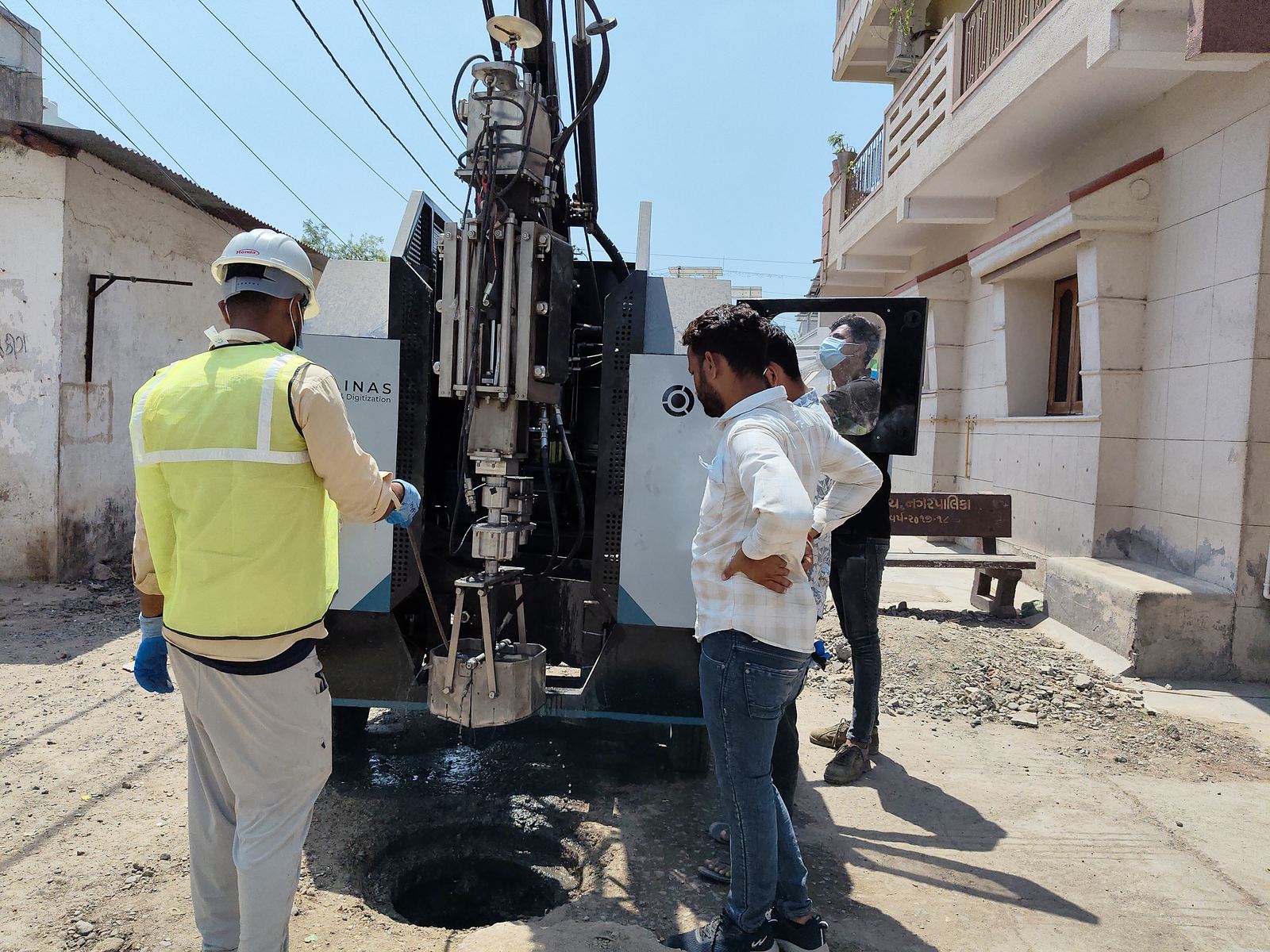
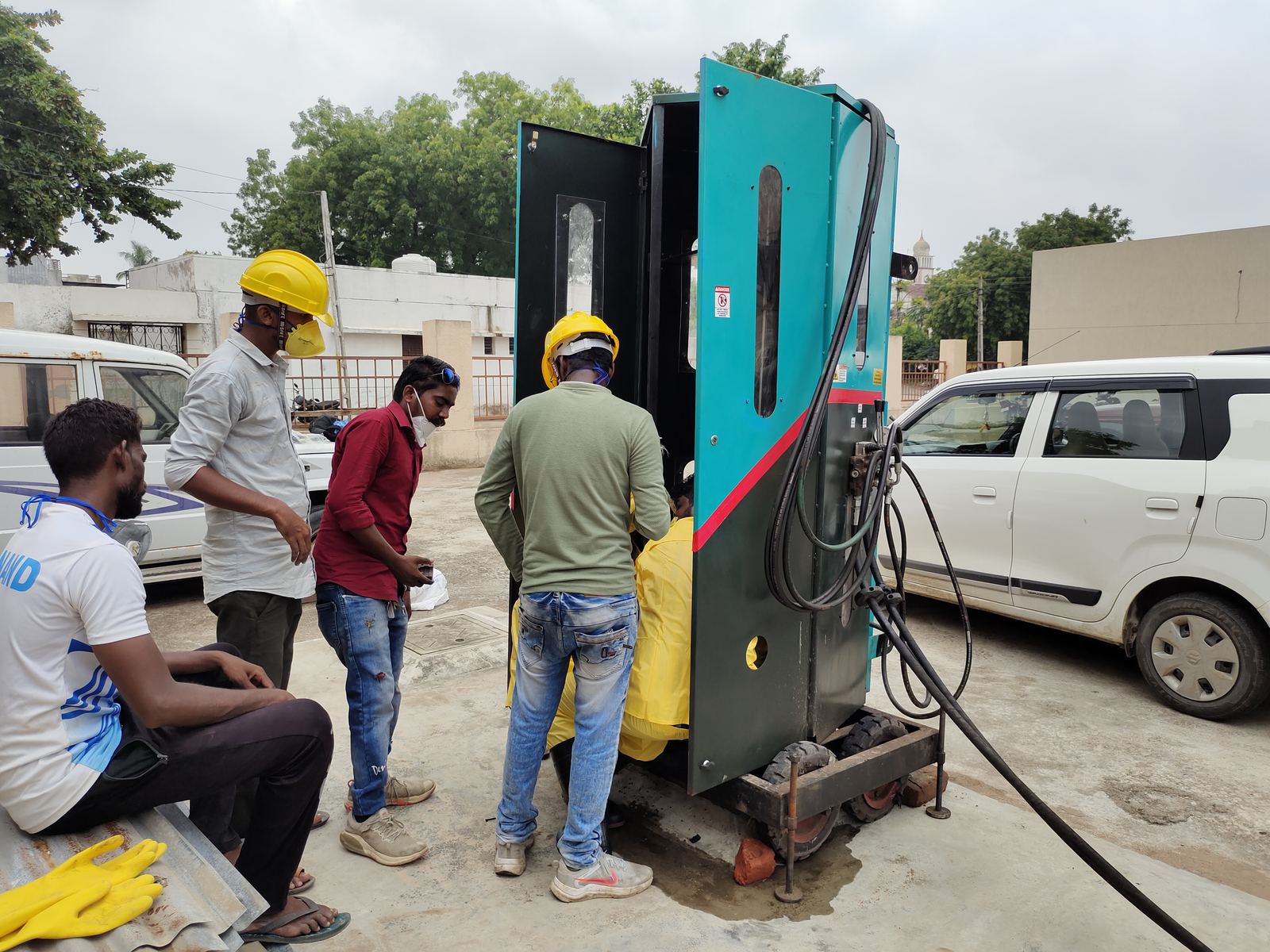
  • Exploration and demonstration of technological solutions for mechanized cleaning of septic tanks and sewer.
  • To engage and dialogue with government for effective implementation of provisions of MS Act – 2013.
  • To educate sanitation workers, contractors and community at large on safety precautions in hazardous cleaning of septic tanks and sewer to prevent deaths.
  • Legal interventions in incidents of deaths of sanitation workers for registration of proper FIRs, compensation through engaging with police and also filing Public Interest Litigation – PIL in Gujarat High Court.
  • To use both print & electronic media to highlight issue of manual scavenging.

We have been working on this issue across the Gujarat state since 2003. Key achievements of our interventions are:

  • 24.46 crore compensation to 183 dependent families of deceased sanitation workers.
  • Our PIL in Gujarat High Court has resulted in favourable orders on compensation, accountability of officers & departments, implementation of provisions of MS Act – 2013, formulation of rules of MS Act, purchase of machinery etc. This PIL is still pending in the court and we get favourable orders from the Gujarat High Court in every hearing.
  • We have ensured proper registration of FIRs in all incidents of death of sanitation workers in Gujarat.
  • Most of the open defecation sites in Ahmedabad city leading manual cleaning of human excreta by sweepers are stopped through our intensive engagement with Ahmedabad Municipal Corporation – AMC.
  • Prepared & disseminated awareness leaflets on provisions of MS Act in simple Gujarati. Our leaflets are reprinted and put in websites by departments of Gujarat.
  • We have collaborated with IIT Madras and Solinas Integrity on robotic technological solutions for last 3 years. Joint collaboration with IIT Madras, Bharuch Nagarpalika and Solinas Integrity is in progress since February 2026 on use of HomoSep robot developed by IIT Madras in Bharuch.
  • Media has taken note of orders of our PIL regularly and highlighted incidents of deaths of workers.

Cost of one full time person is Rs. 4 lacs to lead the intervention.

Cost of one PIL is Rs. 1 lac.

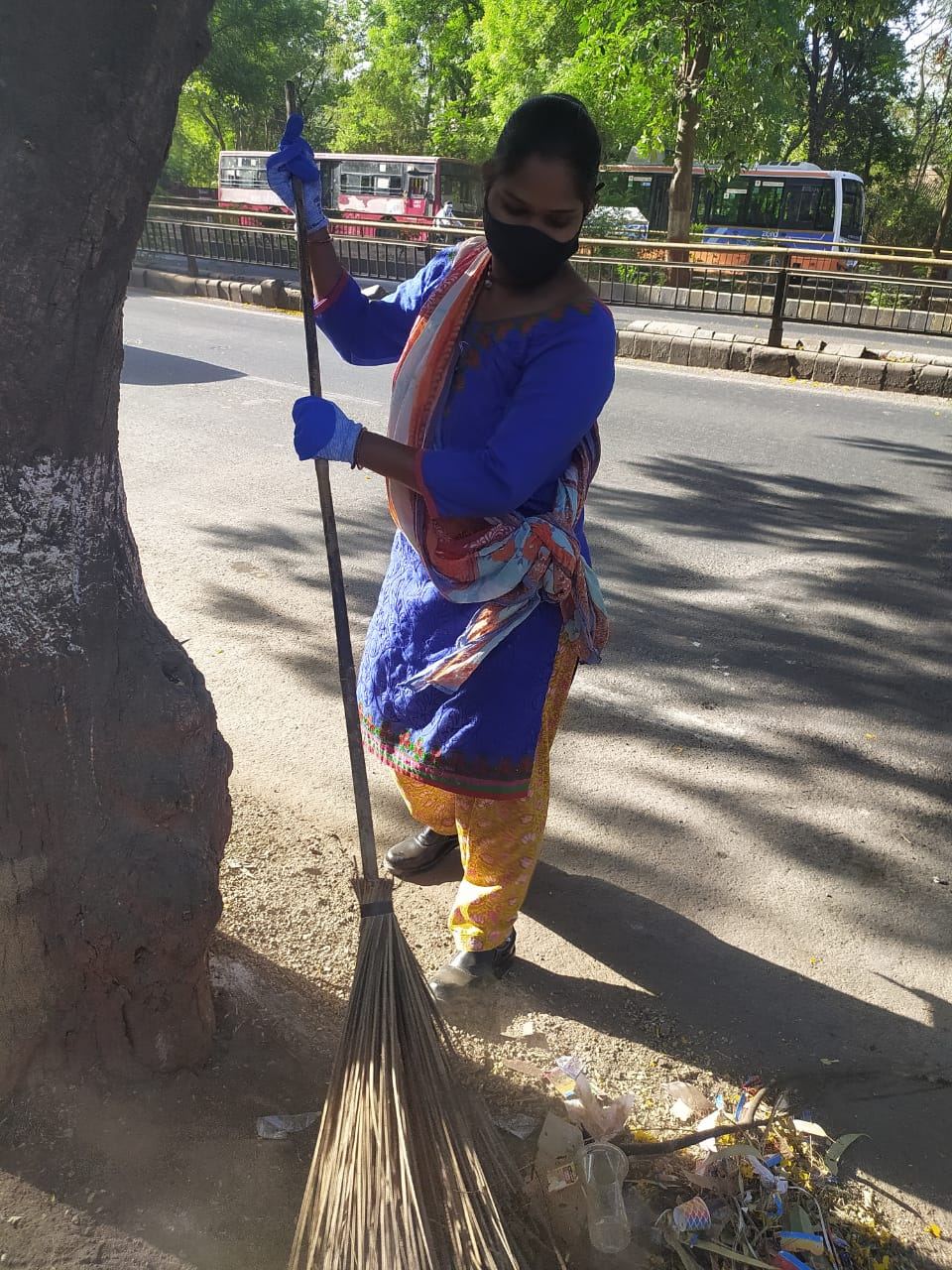
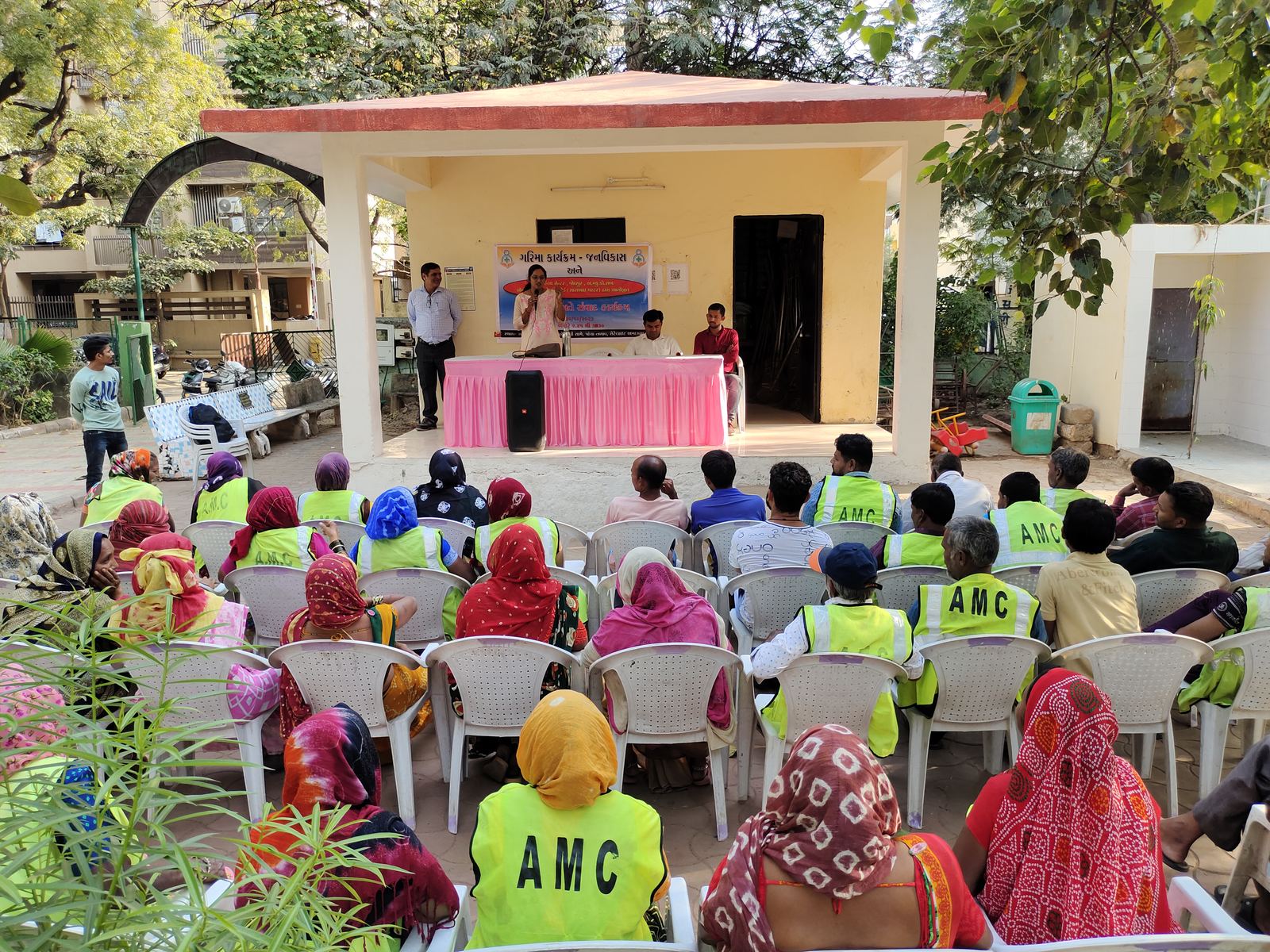
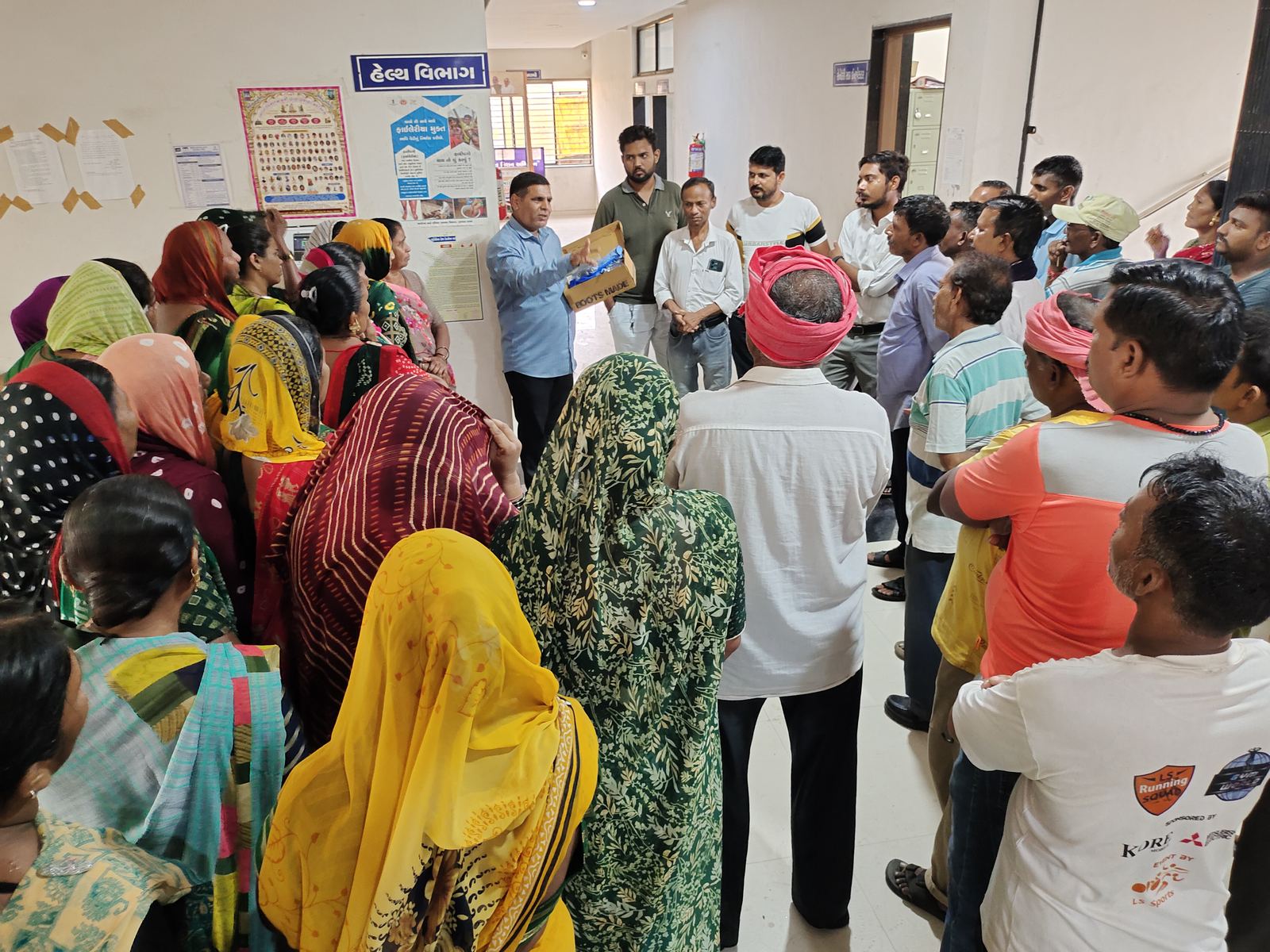
A woman sweeping the road wearing a mask and glovesSanitation workers in safety vests at an awareness meetingSanitation workers at a meeting with civic officers

Safe Cleaning Work

Cleaning work; cleaning roads, pavements, parks, commercial and residential has still remained caste based both in organized and unorganized sectors. Valmiki community is traditionally engaged cleaning work. Cleaning work is hazardous to health but it is done without using required safety equipment such as facemask, hand gloves, safety shoes, safety goggles. Employers focus only on cleaning and totally ignore providing safety equipment to the workers. It adversely affects the life of sanitation workers in respiratory system, skin and overall health and wellbeing. Lack of safety equipment decreases life expectancy of the Valmiki community. Our survey of 5265 households of the Valmiki community found that Valmiki community has only 52 years life expectancy whereas it was 69 years at national level.

Our vision is that cleaning work is done with proper safety equipment that leads healthy and dignified life of the Valmiki community.

To achieve our vision, we carry out following key interventions:

  • To raise awareness among sanitation workers on need of safety equipment and how working without safety equipment adversely affects their overall health and life.
  • Purchase & distribute user friendly sets of safety equipment to identified sanitation workers, motivate them to use provided equipment by monitoring visits of their work places so that they continue to use it and change their habit.
  • To engage with civic bodies to provide safety equipment to sanitation workers and ensure they use daily at work places.
  • To carry out action research on use of safety equipment and share findings to different stakeholders.

Key Achievements in this intervention:

  • 1505 sanitation workers of Ahmedabad city, Khambhat and Petlad are provided sets of safety equipment consisting of facemasks, pairs of hand gloves and safety shoes in last 4 years.
  • Our team regularly visited their work places to motivate them to use provided safety equipment during cleaning work.
  • Leaflets on safety equipment in cleaning work prepared & disseminated among sanitation workers.
  • Awareness meetings are held at ward level with sanitation workers and officers of civic bodies.

Currently, we are in process to carry out action research on use of safety equipment and developing habits among 50 sanitation workers. In addition, we continue to engage with civic bodies and private employers for distribution of user-friendly safety equipment to sanitation workers and set up mechanism in which sweepers continue to use equipment during cleaning work for their overall health well-being and dignified work.

One unit of equipment consisting of facemasks, hand gloves & safety shoes costs Rs. 1000/-. 2 units are required for one sanitation worker every year.

Families at an entitlement facilitation deskA team member filling a form with a familyTeam members helping women fill documents

Access to Entitlement

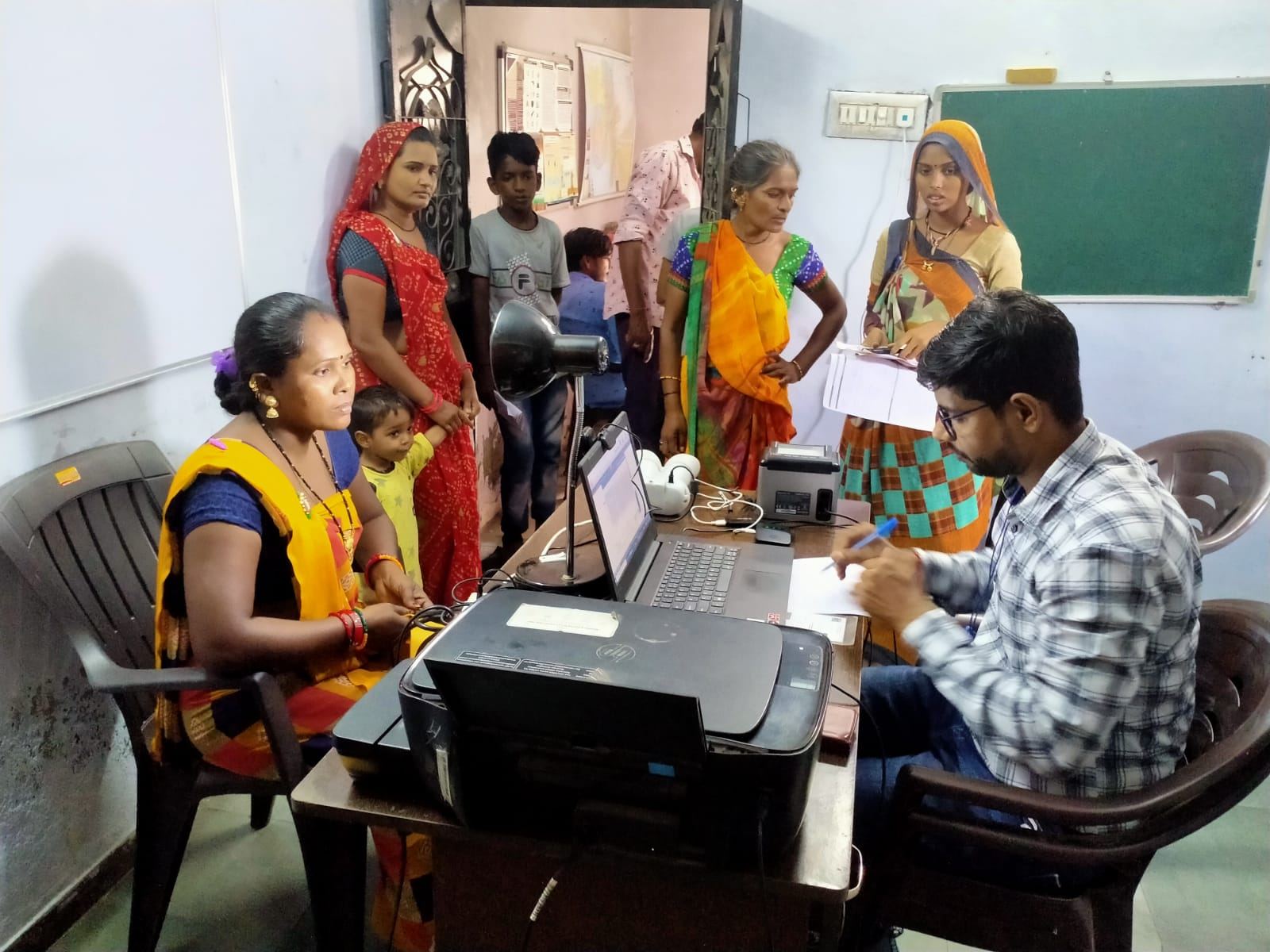
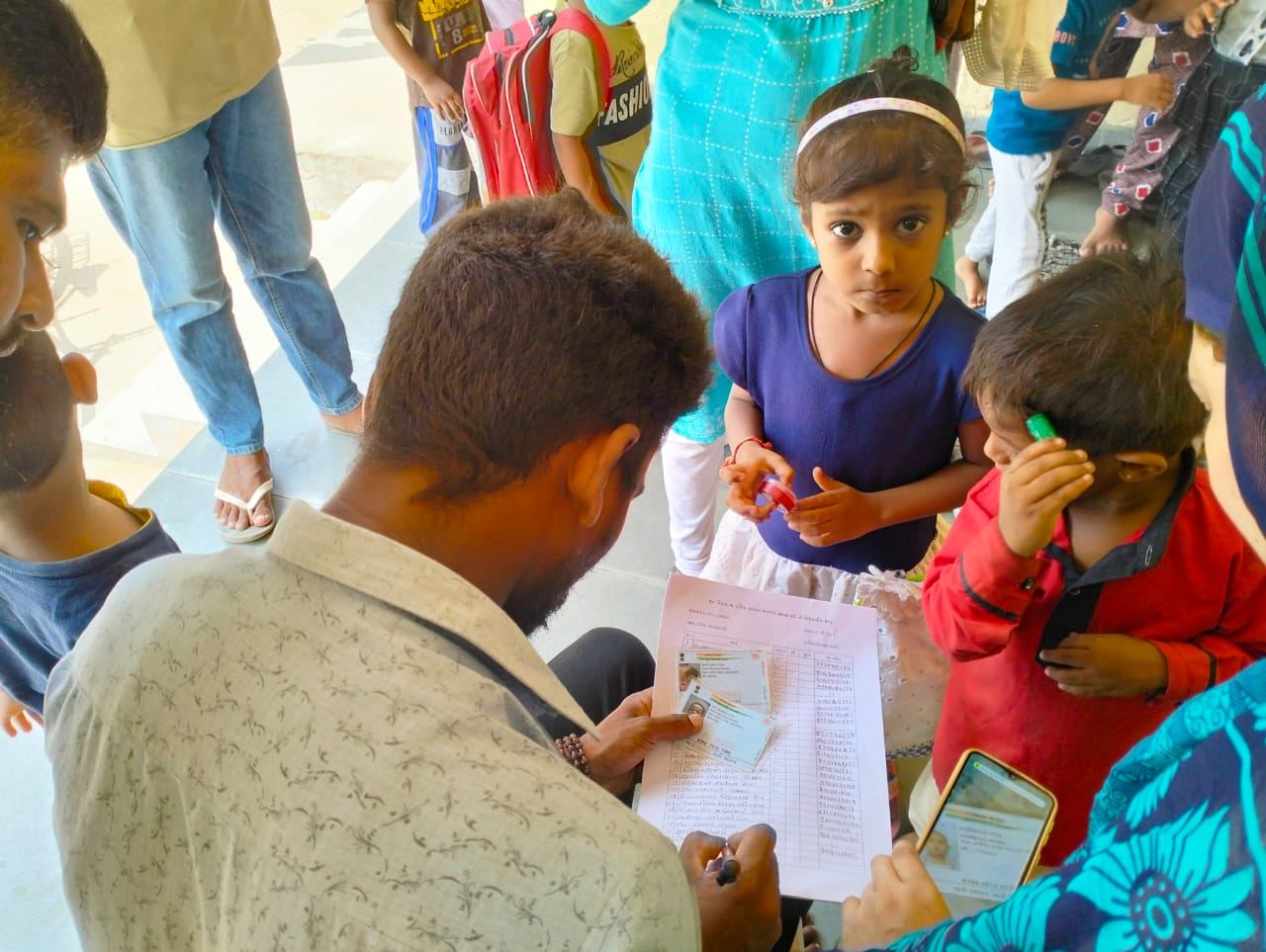
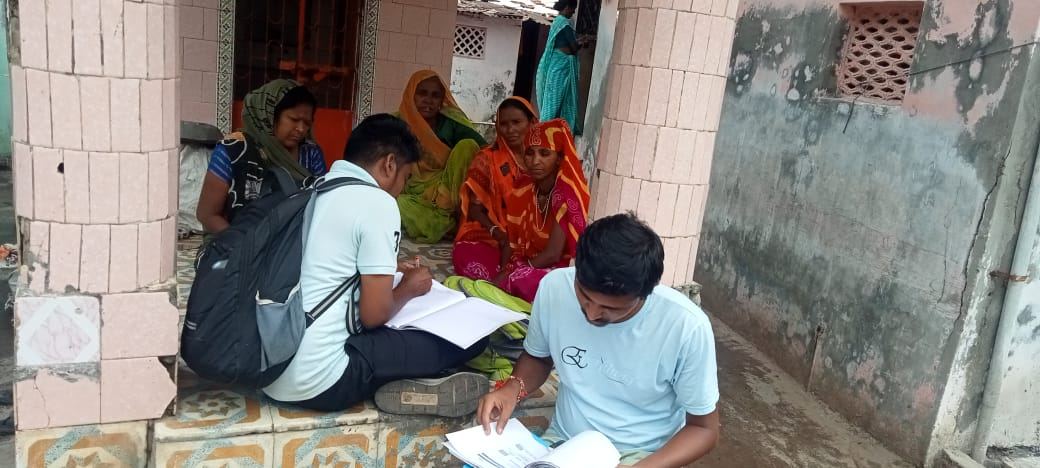
Valmiki community has migrated in cities in search of livelihood from villages and most of them engage in different cleaning work in cities largely in unorganized sector and few are in organized sector on permanent basis or contractual basis. Due to high cost of living in cities, the community has no other options except to dwell in existing slum pockets or in crowded chawls. These slum pockets and chawls lack adequate basic amenities like potable drinking water, proper drainage connection, internal roads and electricity etc. There is constant threat of slum evictions from civic bodies without any prior notices or providing alternate shelters. The community also lacks proper documents like aadhar card, voter card, ration card etc to access benefits of government welfare schemes.

Vision of this program is Valmiki community is able to access their due entitlements and adequate housing without any discrimination for their dignified life as citizens.

Over the period, key results of this program are as follows:

  • 31,934 individuals accessed entitlements through Entitlement Facilitation Centres – EFC and other support.
  • 2036 families got benefits of permanent housing.
  • 5429 families covered under health insurance.
  • 2801 households benefitted through basic amenities in localities.
  • 8 cases of slum eviction taken in Ahmedabad city and supported in 5 Public Interest Litigation – PIL in Gujarat High Court. We have received favourable orders in 4 PILs from Gujarat High Court.
  • Engagement with civic bodies and state departments for amendment in existing slum policy – 2013 through network of Ahmedabad city organizations.

Currently, we reach out to 3,000 households of Valmiki community in Ahmedabad city, Khambhat and Petlad towns and support in accessing entitlements and adequate housing rights through documentation, filling forms, guidance etc.

Cost of one full time community facilitator is Rs. 20,000/- per month.

Emerging New Initiatives

We continue to review and reflect on our work with Valmiki community and start new initiatives in changing context and need of the community. Following two more new initiatives are well thought and planned.

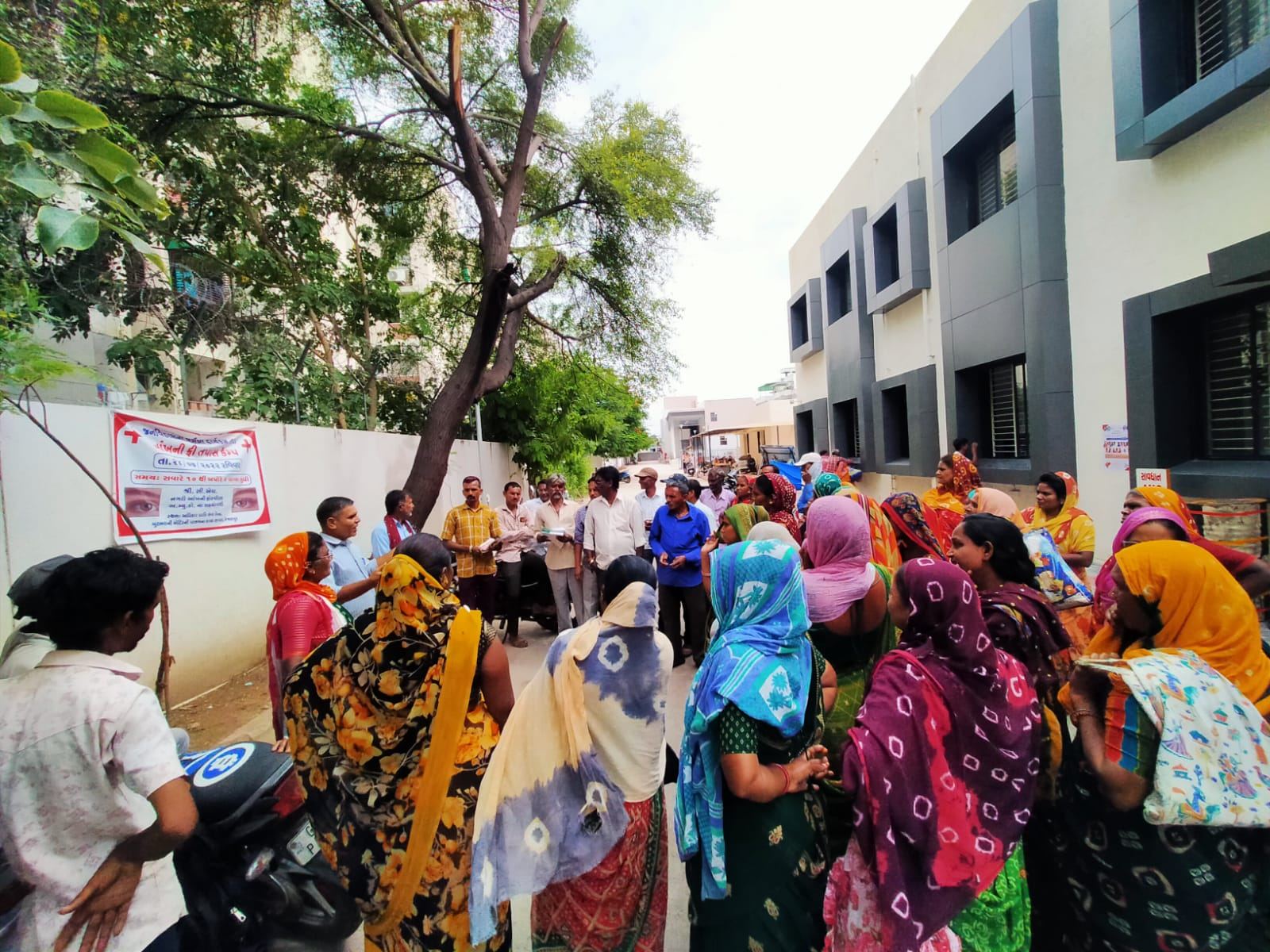
A health check-up at a community campWomen gathered at a nutrition and hygiene camp

Nutrition and Hygiene

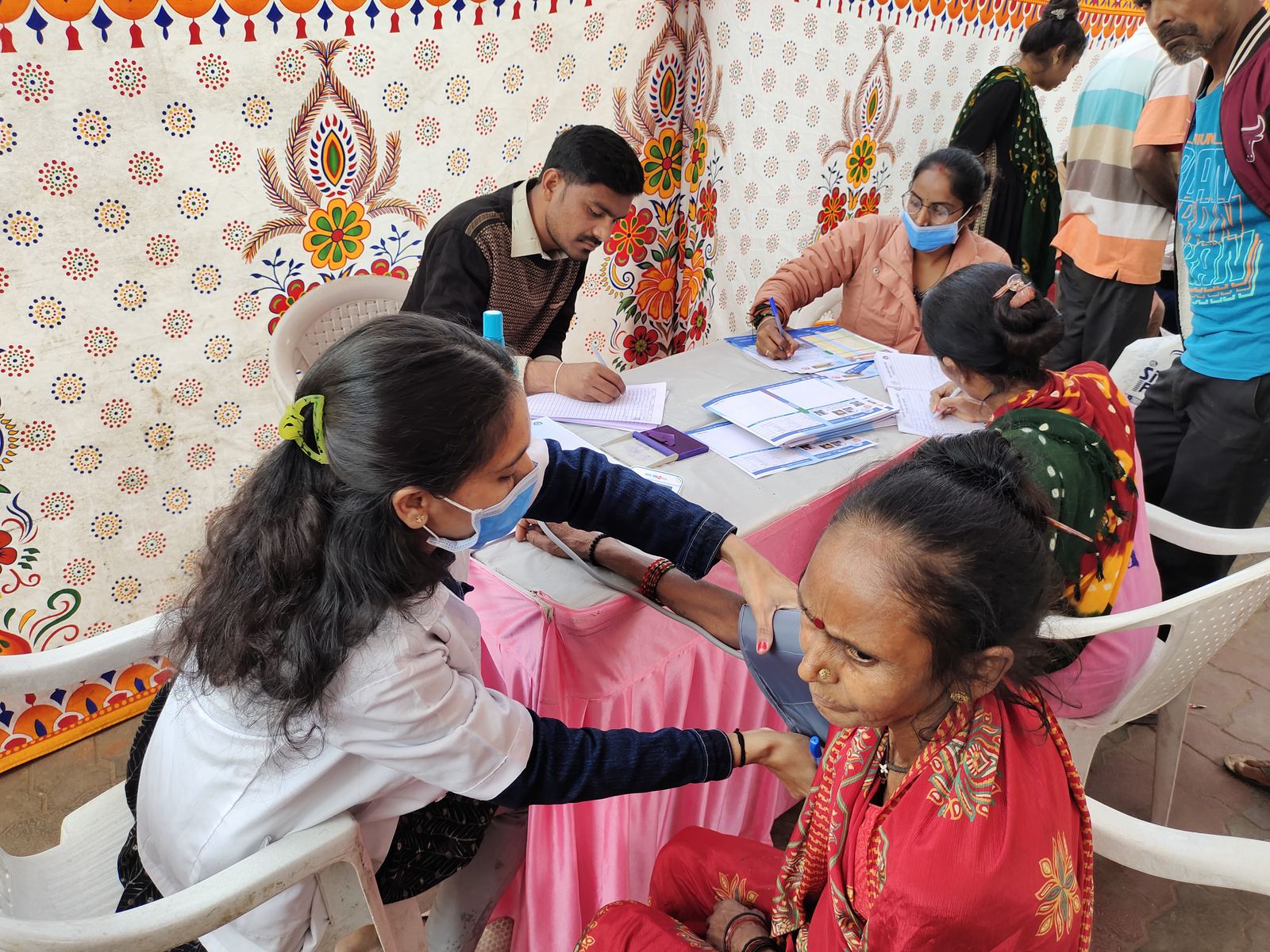
Work with Valmiki community to promote simple, practical, and sustainable practices related to nutrition and hygiene. Our aim is to encourage healthier habits among children and families and strengthen awareness of practices that contribute to better health and well-being.

Young leaders from the community at a gathering

Transformatory Leadership

To develop a new generation of 30 young leaders within the Valmiki community who can promote modern and transformative thinking. Young people will be supported to identify and influence positive changes in areas such as education, health, hygiene, food habits, and social practices within their communities.

Cost for capacity building and handholding support to one modern youth is Rs. 10,000 per year.